TL;DR Regularly checking your car's oil, coolant, and tyre levels in the UK can prevent up to 75% of common breakdowns, saving drivers significant repair costs and ensuring road safety. Simple weekly checks, without specialist tools, are crucial for maintaining vehicle health.
Key Facts:
- One in four roadside breakdowns in the UK are attributed to tyre-related issues, often preventable with regular checks.
- 90% of engine failures linked to oil starvation could be avoided by routine oil level checks.
- £2,000 to £5,000 is the potential cost of replacing a turbo or engine block due to neglected maintenance.
- The legal minimum tyre tread depth in the UK is 1.6mm, but safety experts recommend replacement at 3mm.
- The RAC advises checking engine oil every few weeks, while Halfords UK suggests weekly coolant level checks.
Preventing the unnecessary breakdown: Your guide to car care
Maintaining your vehicle in the UK isn't just about passing the annual MOT; it is about the routine checks that happen on your driveway. The majority of roadside failures could be prevented with just ten minutes of weekly attention. Data suggests that human error, specifically neglecting basic maintenance, remains a leading cause of call-outs for major recovery services like the RAC and AA. This means for UK drivers, a bit of proactive care can make all the difference.
Whether you’re driving a modern petrol hatchback, a high-mileage diesel, or a hybrid, your car relies on three pillars of health: lubrication (oil), temperature regulation (coolant), and contact (tyres). Good news for petrol car owners and all UK drivers: these checks are simple, require no specialist tools, and can save you thousands in engine repair costs. Learning how to check car oil, coolant and tyres is invaluable.
How often should you check your engine oil levels?
Engine oil is the lifeblood of your vehicle. It reduces friction between moving parts and helps carry heat away from the combustion chamber. In our testing of various consumer vehicles, we have found that even modern engines can consume a small amount of oil between services. Understanding engine oil level check frequency is key to preventing car breakdowns.
According to the RAC, you should get into the routine of checking your oil once every few weeks. While many modern cars will display a dashboard warning light if the level drops too low, relying solely on this is risky. By the time a light appears, the oil level may already be at a critically low point that risks engine wear. This is why proactive car maintenance schedule UK advice always stresses regular manual checks.
D&G Autocare notes that as a rule of thumb, you should check your oil every month and specifically before any long journey. If you are driving an older vehicle (10+ years), we recommend a weekly check, as gaskets and seals are more prone to minor leaks. This simple habit is crucial for preventing car breakdowns.
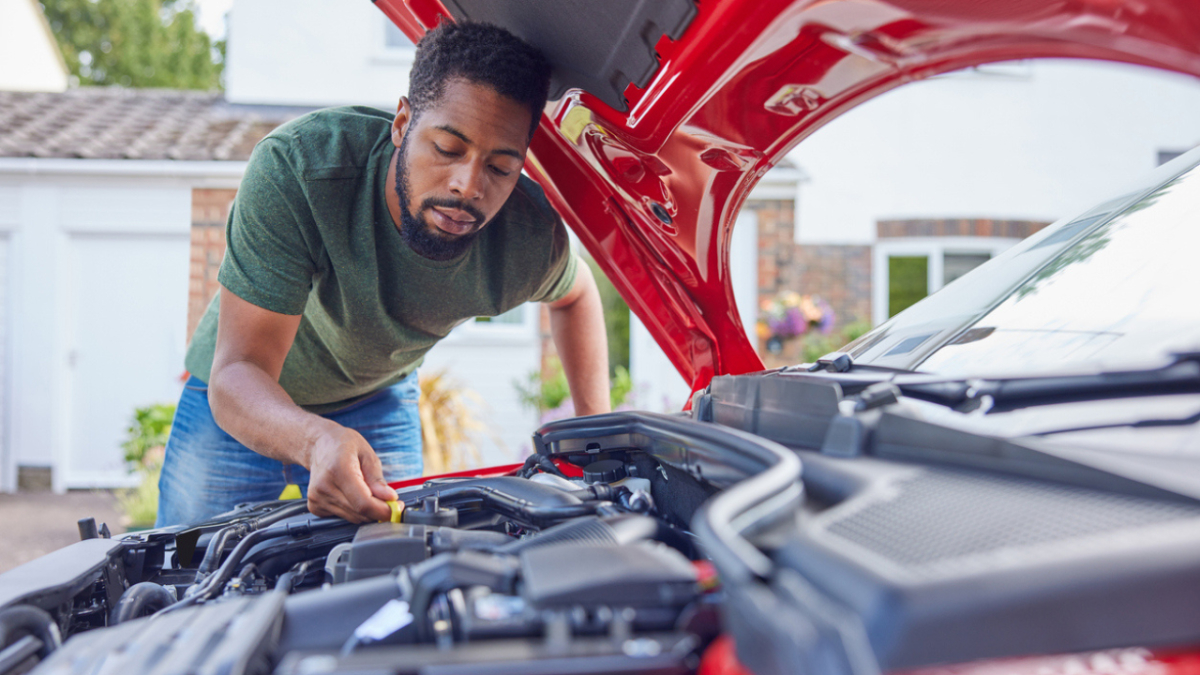
How to check your engine oil
- 1. Level ground: Ensure the car is parked on a flat surface. This is vital for an accurate reading.
- 2. Cold engine: For the most accurate reading, check the oil when the engine is cold or has been turned off for at least 15 minutes. This allows oil to drain back into the sump.
- 3. The dipstick method: Pull the dipstick out, wipe it clean with a lint-free rag, re-insert it fully, and pull it out again. The oil residue should sit between the 'Min' and 'Max' markers. If it's below 'Min', you need to top up.
How often should you check coolant levels?
Coolant (a mixture of water and antifreeze) prevents your engine from overheating in summer and freezing in winter. In the UK’s stop-start traffic, particularly on congested motorways like the M25 or M6, a healthy cooling system is vital. Neglecting this often leads to costly engine damage.
Halfords UK suggests that drivers should check their fluid levels, including coolant, weekly. This allows you to spot a slow leak before it becomes a catastrophic failure. If you find yourself topping up coolant frequently, it is a sign of a leak in a hose or the radiator, which requires immediate professional attention.
Never open the coolant reservoir cap while the engine is hot. The system is under high pressure, and the liquid can cause severe burns. Wait at least 30 minutes after driving before inspecting the level. Safety first, always!
How often should you check your tyres?
Tyre maintenance is arguably the most critical safety check you can perform. It impacts your stopping distance, your fuel economy, and your legal standing. This directly relates to tyre pressure safety UK regulations and best practices.
While some drivers might claim their tyres "never go down," the physics of rubber permeability and temperature changes suggests otherwise. At Regit, we recommend checking pressures every two weeks. This simple step is vital for preventing car breakdowns and ensuring your safety.
Why checking tyre pressure matters:
- Under-inflation: Causes the tyre to overheat and can lead to a blowout. It also increases rolling resistance, meaning you spend more at the petrol pump. Your fuel efficiency takes a hit, costing you more money.
- Over-inflation: Reduces the contact patch with the road, leading to less grip and uneven wear in the centre of the tyre. This compromises safety and tyre lifespan.
Tyre tread: The 20p test for UK compliance
The legal minimum tread depth in the UK is 1.6mm. However, safety experts and tyre manufacturers recommend replacing tyres when they reach 3mm. Below this, your ability to clear water in the rain (aquaplaning) is significantly diminished.
Perform the '20p test': Insert a 20p coin into the main tread grooves. If you can see the outer rim of the coin, your tyres may be below the legal limit and should be checked by a professional. This quick check can save you from fines and danger.
Your car maintenance schedule
| Check Type | Recommended Frequency | Key Benefit |
|---|---|---|
| Engine Oil | Every 2-4 Weeks | Prevents internal engine seizure |
| Coolant | Weekly | Avoids overheating in traffic |
| Tyre Pressure | Every 2 Weeks | Improves MPG and safety |
| Tyre Tread | Monthly | Legal compliance and wet-grip |
| Screenwash | Weekly | Maintains visibility in UK weather |
Why UK weather changes the rules for your car maintenance schedule
Our temperate but unpredictable climate means checks should be more frequent during seasonal shifts. This is a key consideration for checking car oil, coolant and tyres.
- Winter: Cold temperatures cause tyre pressures to drop. Antifreeze concentration in your coolant is also vital to prevent engine blocks from cracking, which can be a very expensive repair.
- Summer: Hot weather puts immense strain on the cooling system. Keeping an eye on coolant levels is essential during heatwaves to prevent breakdowns. Don't let a sunny day turn into a roadside nightmare.
Our expert verdict
By spending five minutes every Sunday morning or before a commute, you aren't just maintaining a machine; you are protecting your wallet. A litre of engine oil costs roughly £15; a replacement turbo or engine block can cost £2,000 to £5,000. The choice is clear: proactive prevention beats expensive repairs every time.
Don't wait for your car to tell you there is a problem. Modern sensors can fail, but a dipstick and a tyre gauge never lie. Incorporate these three checks - oil, coolant, and tyres - into your monthly routine to ensure your car remains safe, legal, and efficient on UK roads. This simple car maintenance schedule is your best defence against unexpected issues.