TL;DR Keir Starmer's resignation is unlikely to affect drivers immediately, but a new Prime Minister could alter key motoring policies in the coming months. Areas to watch include electric vehicle targets, fuel duty, pay-per-mile road charging and investment in pothole repairs and road maintenance.
What Keir Starmer's resignation could mean for UK drivers
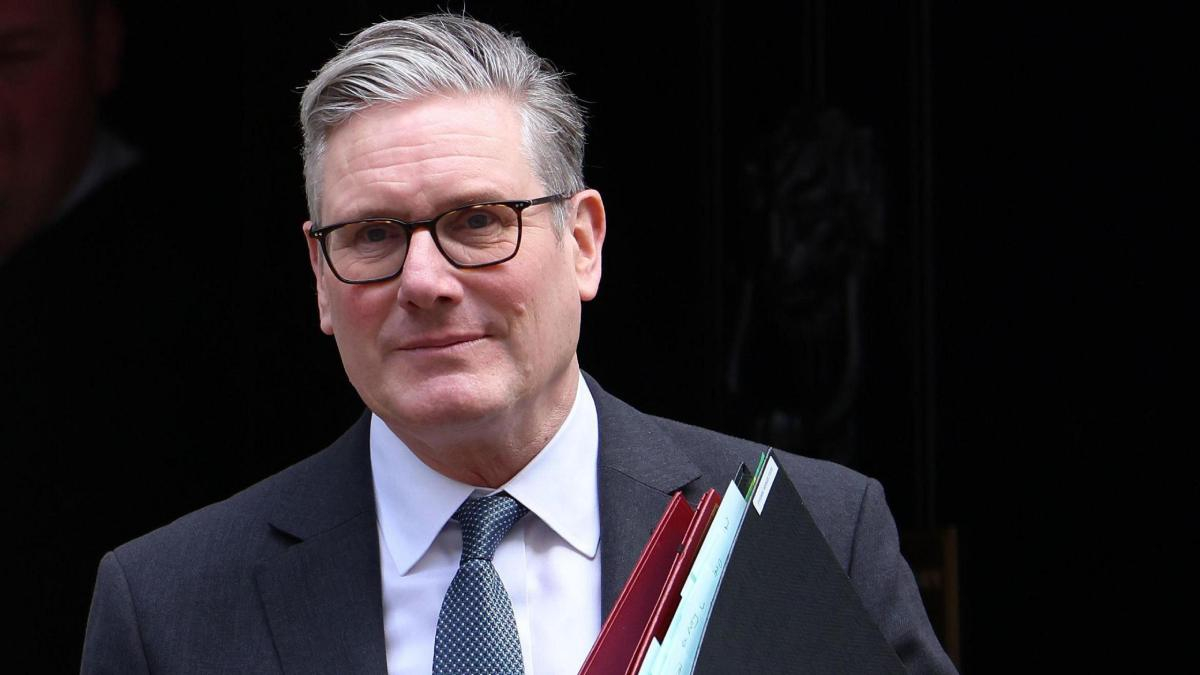
Keir Starmer has stepped down as Prime Minister and leader of the Labour Party, triggering a leadership contest to find his successor. Labour MPs will now compete for the top job, with a new Prime Minister expected to be in place by September.
While there are unlikely to be any immediate changes for motorists, a new leader could bring a different approach to transport, energy and the future of driving in the UK.
Here's what drivers should keep an eye on.
Electric vehicle targets could be reviewed
Before his resignation, reports suggested Starmer was willing to soften the UK's electric vehicle sales targets to help protect jobs in the automotive industry.
The proposal would reduce the proportion of new car sales that manufacturers must achieve from electric vehicles, giving carmakers more flexibility and easing pressure on production targets.
A new Prime Minister could decide to maintain this approach, particularly if protecting UK manufacturing remains a priority. However, a successor with stronger environmental ambitions may choose to introduce stricter targets.
For drivers, this could influence how quickly petrol and diesel cars are phased out and what incentives are available to encourage the switch to electric vehicles.
Fuel duty decisions are still to come
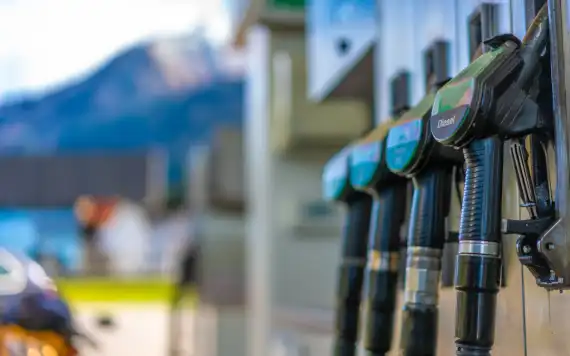
The temporary 5p-per-litre fuel duty cut is currently due to remain in place until 31 December 2026.
However, the next Prime Minister will eventually have to decide whether to extend the measure again or allow it to expire.
If the discount ends, drivers could see petrol and diesel prices rise. Extending the cut would provide short-term relief at the pumps, but the government would need to find alternative ways to replace the lost revenue.
As a result, fuel duty is likely to become one of the first major motoring decisions facing Starmer's successor.
Pay-per-mile road charging could be delayed
The debate around road pricing has continued to grow as more drivers switch to electric vehicles and fuel duty revenues begin to decline.
A pay-per-mile charging system has been discussed as a potential long-term replacement for fuel duty, with proposals suggesting it could be introduced from 2028.
Starmer's resignation is likely to delay any significant progress in the short term, as a new Prime Minister and Cabinet will need time to decide whether to proceed with, amend or abandon the idea altogether.
For now, motorists should not expect any immediate changes.
Pothole repairs and insurance measures may slow down
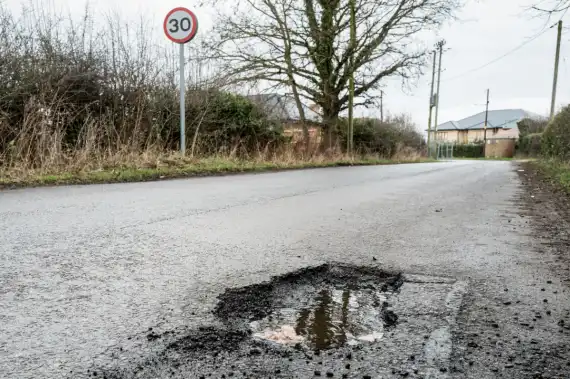
Labour had pledged to repair an additional one million potholes every year in England and increase transparency around how local authorities spend road maintenance funding.
However, a leadership contest could temporarily slow progress on transport-related initiatives.
This may delay decisions on pothole repairs, wider road maintenance programmes and any new measures designed to tackle rising car insurance costs.
What does this mean for drivers right now?
In the short term, very little will change.
Existing policies remain in place until a new Prime Minister is appointed and any policy changes are formally announced.
However, the next Labour leader could have a significant influence over the future of motoring in the UK, particularly when it comes to electric vehicles, fuel taxation, road pricing and investment in Britain's roads.
For drivers, the key message is simple: don't expect immediate changes, but be prepared for potential shifts in policy over the coming months.